Golden hour iPhone photography: timing + framing
When the light is best, and how to compose so it lands exactly on your subject.
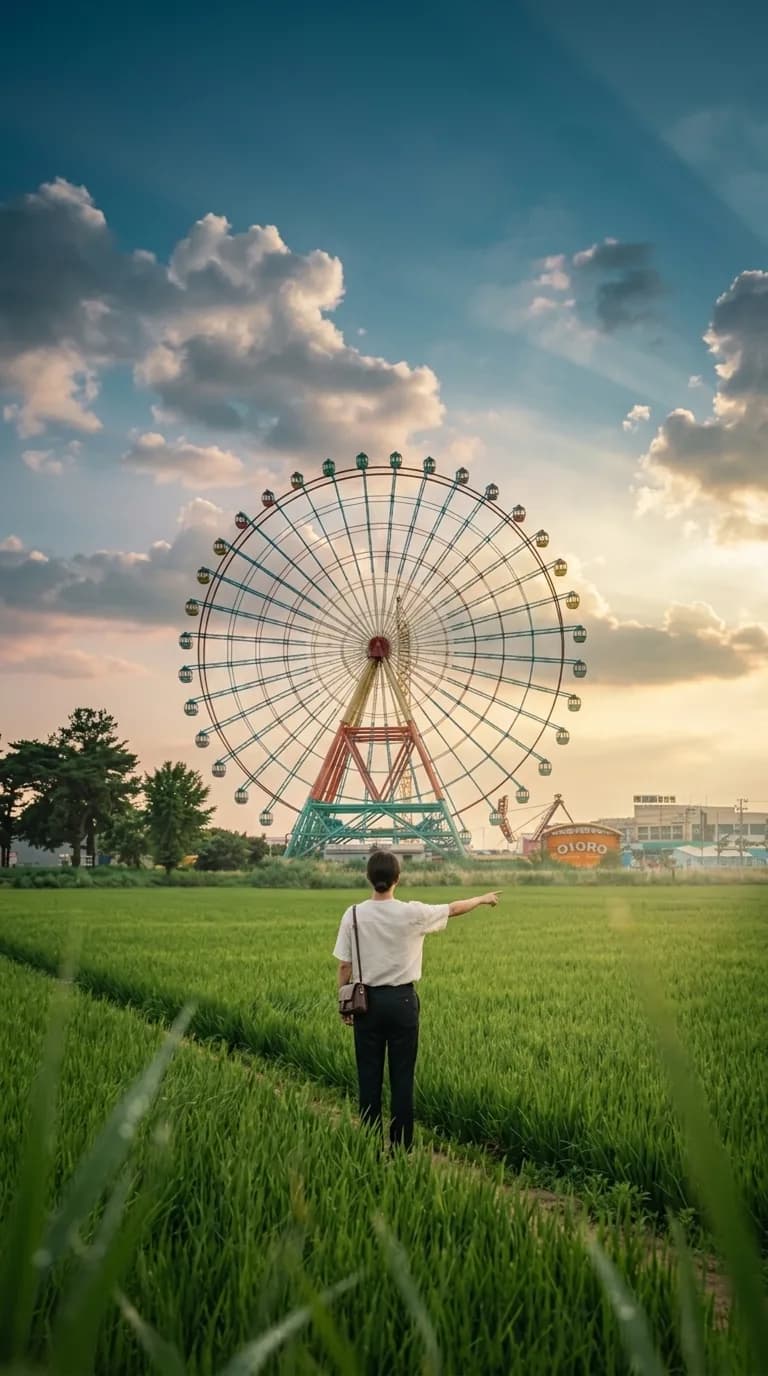
Golden hour is the roughly hour of daylight just after sunrise and just before sunset, when the sun sits low and the light turns warm, soft, and directional. For golden hour iPhone photography, the two things that matter most are timing and framing: shoot in the narrow window when the light is good, and compose so the light actually lands on your subject.
Get those two right and even a phone photo looks like it was lit by a crew. Here is how to plan and shoot it.
When golden hour actually is
Golden hour is not exactly an hour, and it is longer than you think near the equator in summer and shorter in winter. The light is best when the sun is between roughly 0 and 10 degrees above the horizon.
The colors reach their peak a little before sunset and a little after sunrise, not at the moment the sun touches the horizon. For most places, plan to be in position about 60 to 90 minutes before sunset and stay through the last light. At sunrise, arrive early and shoot as the light climbs.
Check your weather app for sunrise and sunset times, then subtract or add your travel and setup time. Scouting the location in daylight helps enormously.
Why the light is so good
When the sun is low, its light travels through more atmosphere, which softens contrast and warms the color. Shadows become long and gentle instead of harsh. Backlit subjects pick up a glow around the edges, called rim light.
That combination is flattering for almost every subject: portraits, landscapes, streets, and architecture. It is the single best free upgrade in photography.
Framing for golden hour
The light is the story, so compose to feature it.
- Backlight your subject and expose for the subject, not the sky, to get a warm halo. Our golden hour guide covers the exposure trick.
- Leave room for the glow. Use negative space so the warm sky becomes part of the composition.
- Keep the palette tight. Golden light pairs beautifully with minimal color and maximum mood.
- Use silhouettes. Put a strong shape against the bright sky for a clean, graphic shot.
- Place the sun in the frame carefully. It can be a bright anchor, but avoid blowing out the whole image.
Because the light changes minute by minute, decide your composition in advance. Lock a guide on screen and move your feet, not your settings.
Camera settings and habits
- Tap to focus on your subject, then slide to adjust exposure down slightly to protect the highlights.
- Shoot with the native 1x or 2x lens for the cleanest result.
- Avoid digital zoom; move instead.
- Take a few frames at different exposures. You can blend or pick later.
- Keep shooting after the sun sets. The ten minutes of blue hour that follow are often gorgeous too.
Common golden hour mistakes
- Arriving late. The best light is brief. Show up early and wait.
- Facing the sun directly and nothing else. Interesting light, boring composition. Give the frame structure.
- Exposing for the sky. Your subject becomes a dark blob. Expose for what matters.
- Only shooting wide. Tight, backlit portraits at golden hour are some of the warmest images you can make.
Planning a golden hour shoot
Golden hour rewards planning more than any other time of day. The night before, check the sunrise and sunset times and pick two or three spots within walking distance of each other. Arrive early, and use the waiting time to find your angle and test exposures with the light you have.
Shoot the warm light first, while it lasts, then move into silhouettes and blue hour. Bring a cloth to clean the lens, because flare and smudges show up quickly against a bright sky. When the color peaks, stop reviewing and keep shooting. You can sort the frames later, but you cannot get the light back.
FAQ
Is golden hour the same as blue hour? No. Golden hour is warm and low-angle. Blue hour is the cooler twilight just before sunrise or after sunset, with soft, even light.
Can I get golden hour on a cloudy day? Clouds can mute the color, but they also diffuse light. The hour still helps, just with less drama. Keep an eye on the forecast.
What is the best golden hour subject? Backlit people, open landscapes, city streets, and anything with texture that catches raking light.
Frame it perfectly, every time
slay overlays professional composition guides on your live camera, so you can line up the shot while the light is at its peak. Free to download, with optional Slay Pro.
Get slay on the App Store: https://apps.apple.com/uz/app/slay-composition-guide-camera/id6807513456?utm_source=slaycamera&utm_medium=article&utm_campaign=golden-hour-iphone
Frame it perfectly, every time.
slay overlays the exact composition guides from these principles right onto your camera.
Get slay on the App Store